
How to Store Pool Equipment Over the Winter
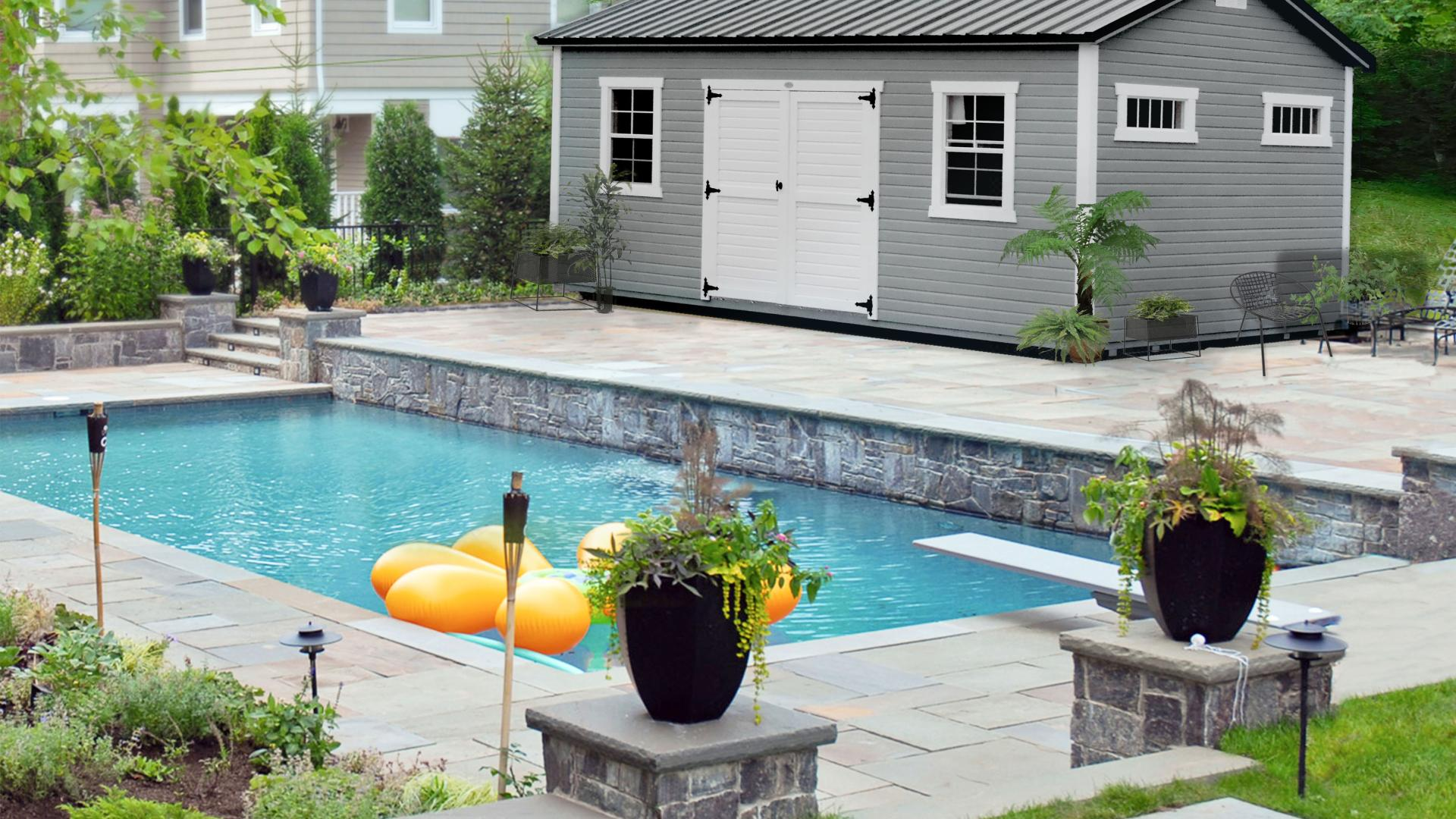
As summer winds down and you close your pool for the winter season, it is crucial to properly store your equipment to prevent damage from freezing temperatures, snow, and ice. There are specific right and wrong ways to handle winterization, so continue reading to learn the best practices.
General Tips for Storing Pool Equipment
Generally, you will want to ensure all pool equipment is fully winterized before the first hard freeze hits, usually in October. For best results, tackle this project while the weather is still warm, such as mid-September, to allow everything to dry out faster.
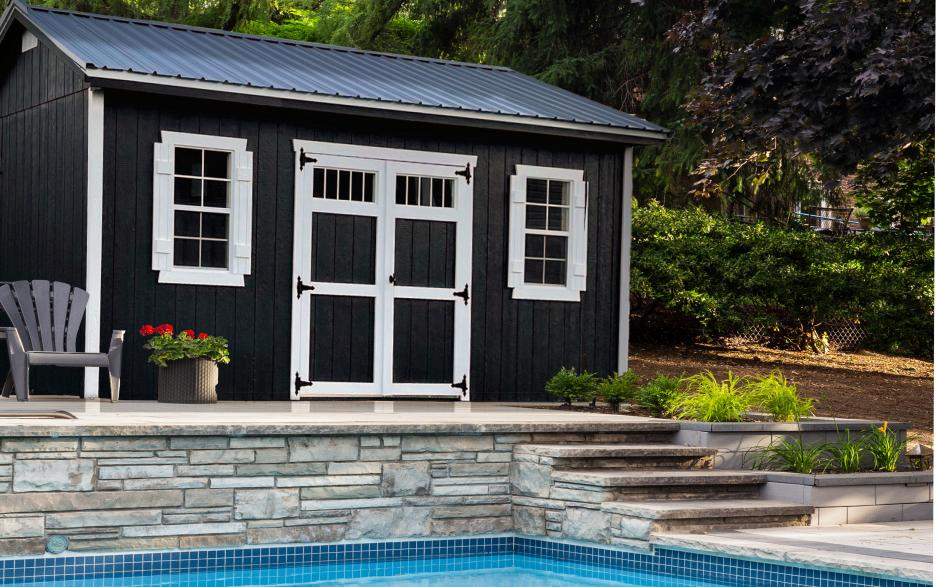
All equipment needs to be stored under a solid roof to remain clear of heavy snow. The ideal solution is a fully enclosed structure, such as a well-designed pool shed, an insulated garage, or a basement environment. Finally, ensure you keep everything organized inside the structure so it is ready and accessible when pool season returns.
Specific Equipment Storage Needs
While the advice above covers the basics, different pieces of equipment require targeted care. Below are specific guidelines for handling various types of pool gear during the offseason.
Pump
Even if you don't drain the entire pool, it is mandatory to drain the pump and associated piping. Any water left inside can freeze, expand, and severely damage the motor or crack the pipes. Ensure it is completely clean and dry before putting it away.
The safest approach is to disconnect the pump and move it indoors, keeping it elevated and away from heavy foot traffic to prevent accidental damage. If disconnecting it isn't an option, you should place a hard equipment cover directly over the unit to shield it.
Filter
The exact winterization process varies depending on the type of filter you own, so consult a professional for exact specifications. If possible, bring the filter indoors. This is also a critical time to clean the unit using specialized solutions to extend its lifespan. Depending on maintenance, a good filter can last 2 to 10 years.
Pool Toys
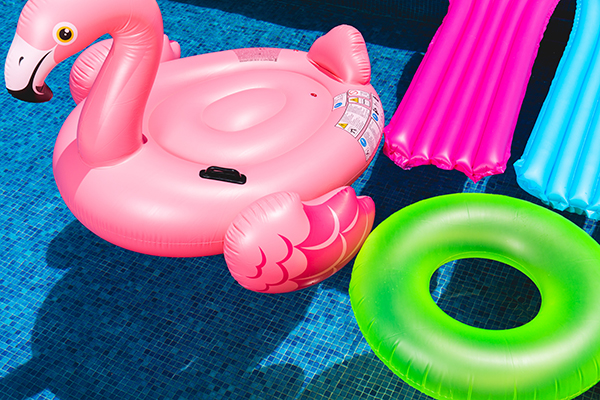
Inflatable toys must be completely deflated prior to storage to save space and prevent accidental punctures. After thoroughly cleaning and drying them, place the toys in airtight containers inside a shed. This protects them from rodents, dirt, and mold. Larger toys that do not fit in bins should still be brought indoors.
Chemicals
Pool chemicals are highly sensitive to moisture and present significant safety hazards if stored incorrectly. Improper storage could lead to dangerous chemical reactions, toxic fumes, or even fire hazards.
Always keep chemicals in their original packaging. If the original containers lack an airtight seal, place them inside a larger, airtight plastic bin to trap fumes and keep water out. Store these in a highly ventilated area and ensure different types of chemicals are kept far apart to avoid cross-contamination and hazardous reactions.
Build a Pool Shed for Easy Winter Storage
The most effective way to protect your equipment during the off-season is with a dedicated pool shed. This keeps your garage clutter-free while providing a safe environment for your investments. Contact Country Cabins today to learn more about our premium storage building options.